

Illuminate Your Underwater Subjects with Artificial Lighting
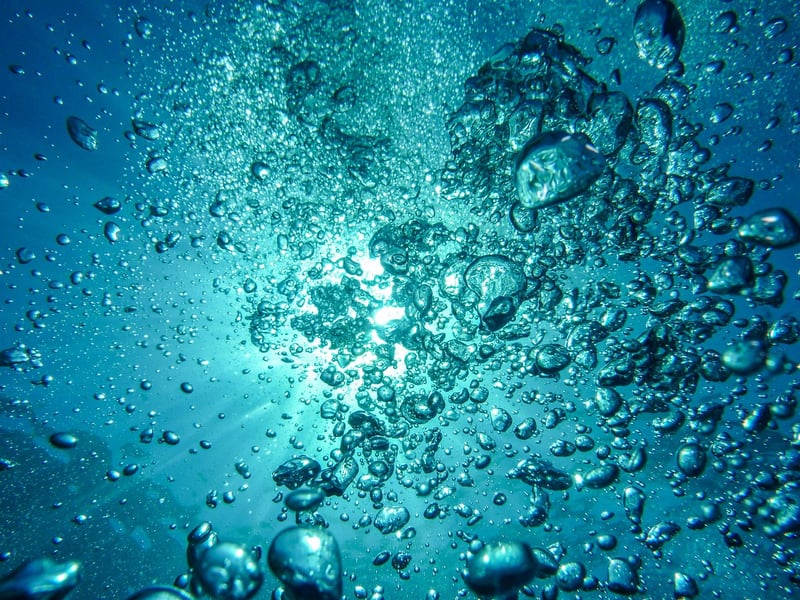
Exploring the underwater world is an exhilarating experience, whether you are a seasoned diver or a beginner. One of the key aspects of underwater photography is lighting. Natural light diminishes as you descend into the depths, making artificial lighting essential to capture stunning images of underwater subjects.
The Importance of Artificial Lighting
Artificial lighting serves several crucial purposes when photographing underwater subjects. It helps to restore colors that are lost due to water absorption, enhances contrast, and brings out intricate details that would otherwise go unnoticed in dimly lit environments.
Types of Underwater Lighting
There are several options for artificial lighting in underwater photography:
- Strobes: Strobes are powerful light sources that can mimic natural sunlight. They provide intense bursts of light to illuminate your subjects effectively.
- Video Lights: Video lights offer a continuous light source, ideal for shooting videos or stills in low-light conditions. They come in various intensities to suit different shooting scenarios.
- Lighting Arms: Lighting arms are used to position your light source precisely, allowing you to control the direction and intensity of the light for optimal results.
Tips for Using Artificial Lighting Underwater
- Positioning: Experiment with different angles and distances to find the best lighting position for your subjects.
- Adjust Intensity: Depending on the depth and water clarity, adjust the intensity of your light source to avoid overexposure or harsh shadows.
- Use Light Filters: Consider using color-correction filters to restore natural colors that are absorbed by water at depth.
- Practice Underwater: Familiarize yourself with your lighting setup in controlled environments before diving into more challenging conditions.
Conclusion
Artificial lighting plays a vital role in underwater photography, allowing you to capture vibrant and detailed images of marine life and underwater landscapes. By understanding the importance of artificial lighting and mastering its techniques, you can elevate your underwater photography skills to new depths.
Explore the fascinating world beneath the waves and illuminate your underwater subjects with the magic of artificial lighting!